Digital Interfaces Redefine Strategy Application on Jackpot Wheel Games
Cameron Krüger · Aug 18, 2026
Digital Interfaces Redefine Strategy Application on Jackpot Wheel Games
Interface Evolution in Mobile Wheel Gaming
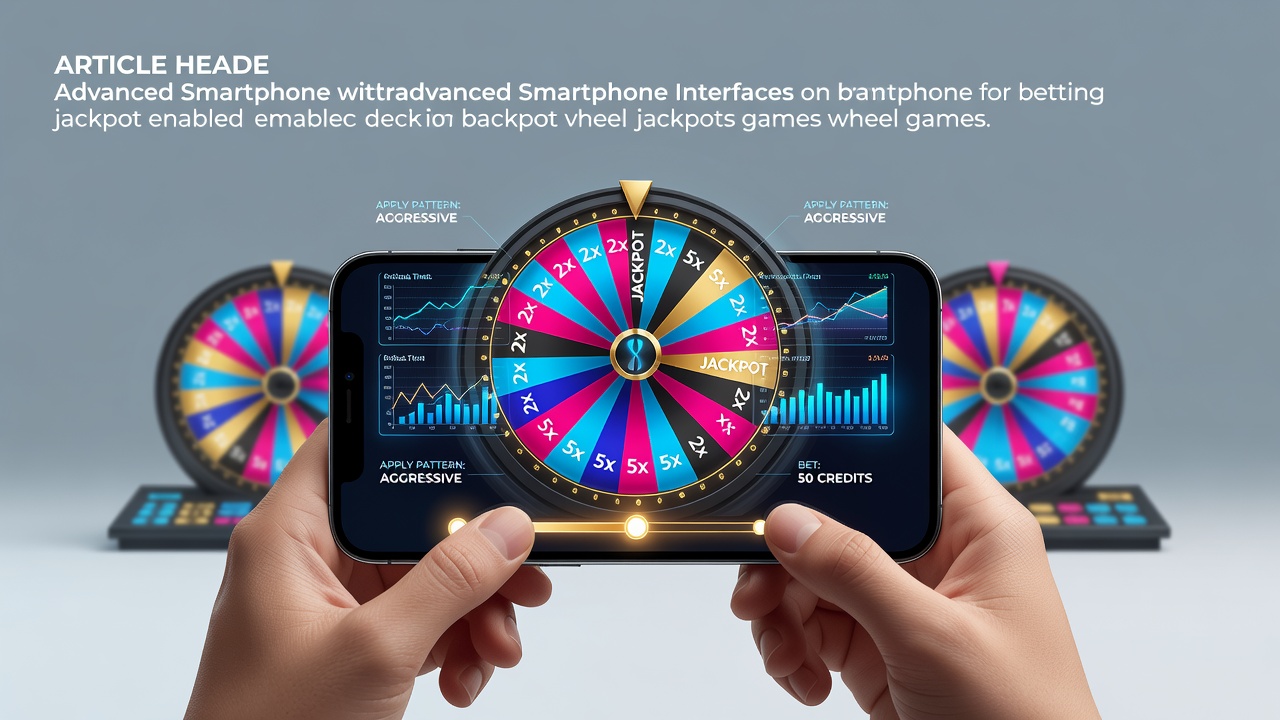
Smartphone interfaces have altered the way players interact with jackpot-enabled wheel designs through touch-based controls, real-time data overlays, and adaptive layouts that adjust to screen size. These changes allow direct input for sequential betting adjustments without separate calculation tools, while jackpot meters update continuously alongside wheel spins. Data from mobile gaming platforms indicates increased session durations when interfaces display progressive jackpot values next to betting history logs.
Design elements such as swipe gestures for bet confirmation and pinch-to-zoom on wheel segments support precise application of pattern-based approaches, whereas older desktop versions required keyboard entries that interrupted flow. Observers note that players using these features complete more betting cycles per minute, especially during periods when jackpot thresholds approach payout triggers.
Pattern Tracking Through Mobile Features
Built-in analytics panels within many applications now integrate color-coded sequences and outcome histories that align with common betting progressions, enabling users to adjust stakes based on displayed trends without external spreadsheets. Research from gaming technology firms shows that interfaces highlighting recent spin clusters lead to higher engagement with systems involving doubling or incremental increases after losses.
Jackpot-enabled wheels add another layer because mobile screens often split the view between the spinning wheel animation and a side panel for jackpot contribution tracking. This layout lets players monitor both the base game patterns and the accumulating prize pool simultaneously, a setup that desktop interfaces handled through separate tabs. In August 2026, industry reports documented a measurable rise in pattern adherence rates on mobile devices equipped with these split-screen options.
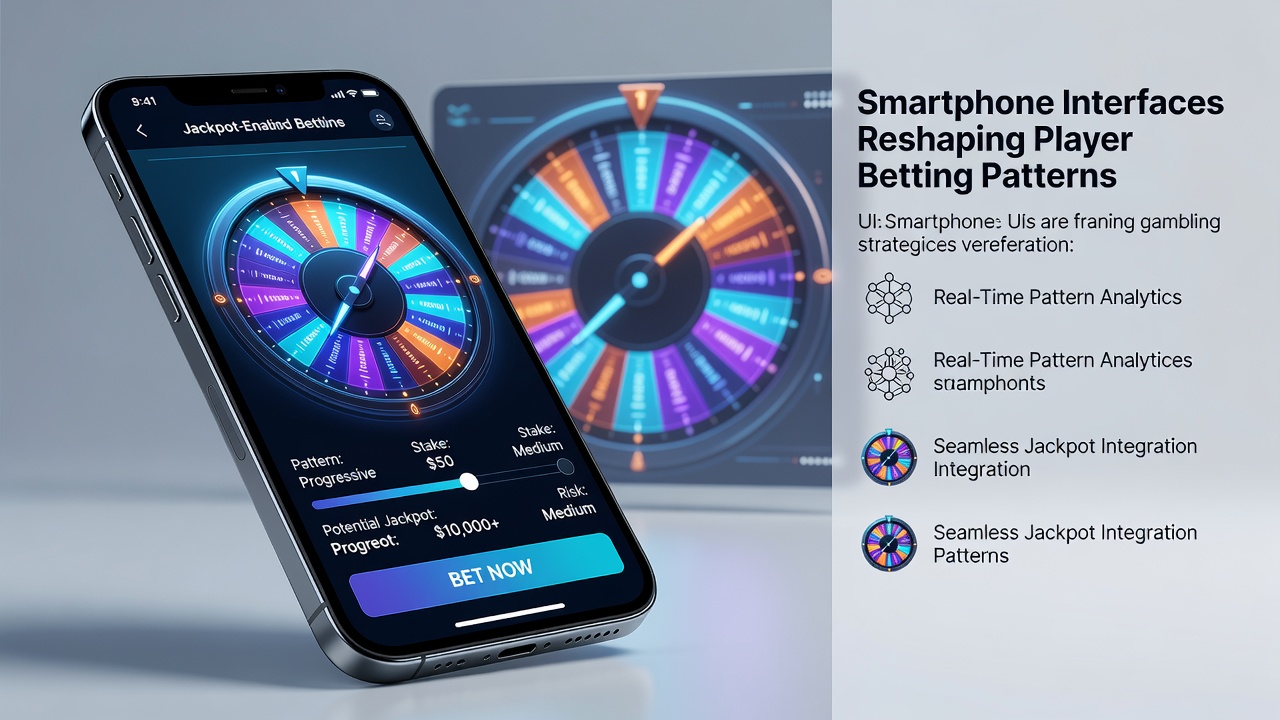
Push notifications for jackpot milestones further influence timing decisions, prompting players to initiate new pattern sequences when thresholds reach specific levels. Those who study user behavior find that such alerts correlate with shifts toward more aggressive stake adjustments in subsequent rounds.
Regional Data and Platform Comparisons
Figures from the Australian Gambling Research Centre reveal differences in how players apply sequences across device types, with mobile users showing greater consistency in following predetermined progressions due to persistent on-screen reminders. European markets report similar patterns according to data compiled by the European Gaming and Betting Association, where interface responsiveness directly affects the speed of pattern execution on jackpot wheels.
University-led studies, including work from the University of Nevada's gaming technology department, have examined how haptic feedback during wheel spins reinforces pattern recall, reducing errors in stake placement compared to silent interfaces. These findings highlight measurable improvements in execution accuracy when vibration cues accompany each outcome.
Technical Constraints and Player Adaptations
Smaller screen real estate requires interfaces to prioritize certain information, which sometimes compresses detailed history views and forces players to rely on summarized trend indicators instead of full sequence logs. Developers respond by introducing customizable dashboards that let users select which pattern metrics remain visible during active play. Such adaptations maintain continuity for those applying complex progressions while accommodating the hardware limits of smartphones.
Network latency can interrupt real-time jackpot updates, prompting some applications to include offline simulation modes where players test sequences against historical wheel data before committing funds. This feature appears more frequently in regions with variable connectivity, allowing pattern refinement without live session disruption.
Conclusion
Smartphone interfaces continue to integrate new tools that support the application of betting patterns on jackpot-enabled wheel designs through combined visual, tactile, and notification systems. Data collected across multiple platforms demonstrates clear shifts in how these designs influence sequence execution and timing decisions. Future updates will likely expand on current analytics panels and split views, further embedding pattern management into the core mobile experience.