How Regional Wheel Designs Shape Progressive Payout Triggers in App-Based Casino Play
Cameron Krüger · Aug 20, 2026
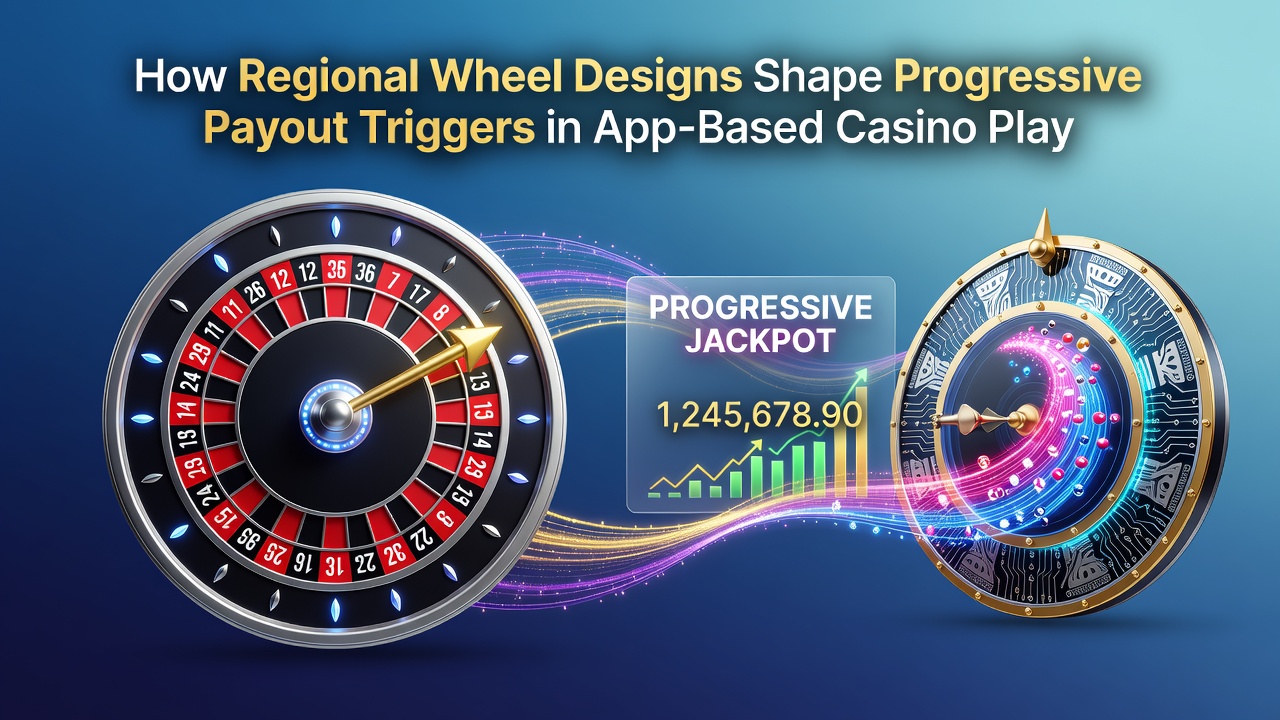
How Regional Wheel Designs Shape Progressive Payout Triggers in App-Based Casino Play
Regional wheel designs in roulette have long influenced game mechanics, and those differences now extend into app-based casino platforms where progressive payout triggers respond directly to the underlying wheel configuration. European wheels contain 37 pockets while American versions include 38, creating measurable shifts in probability that app developers integrate into bonus systems and jackpot activation sequences. Data from regulatory reports show these structural variations affect how progressive pools accumulate and release funds across different mobile applications.
Wheel Configurations Across Regions
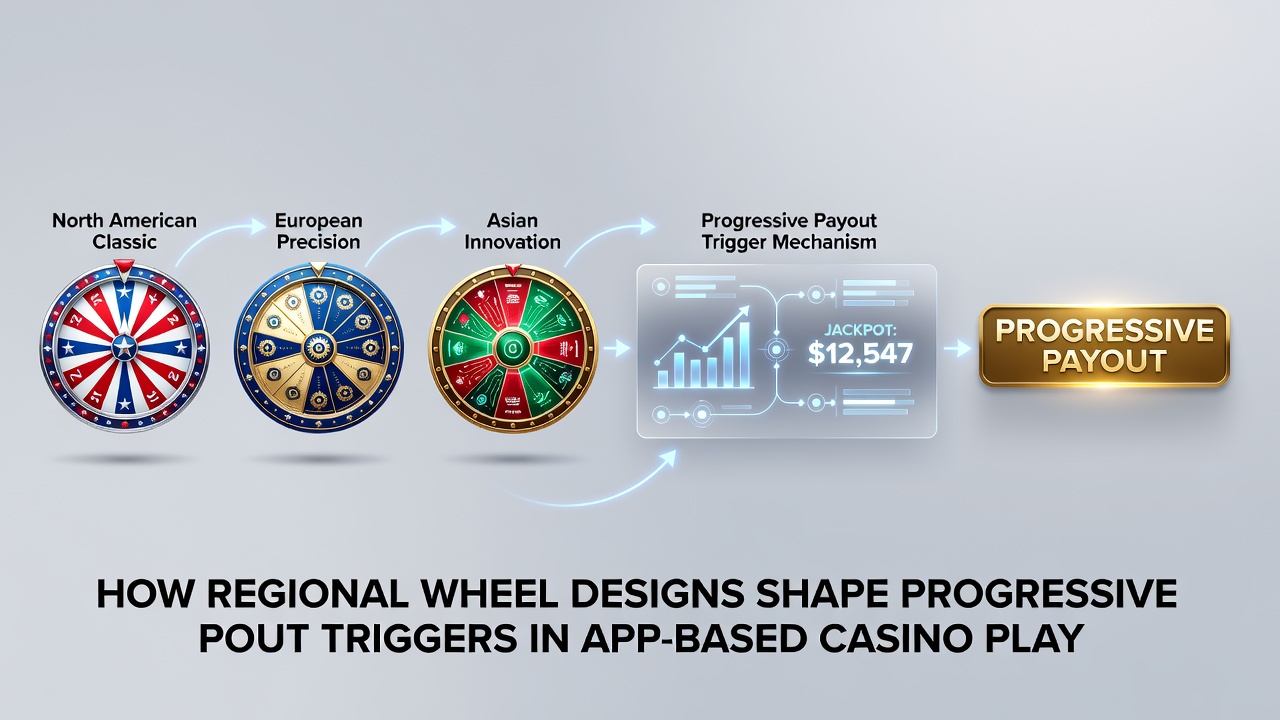
Developers in Europe typically program apps around the single-zero wheel, whereas operators targeting North American users incorporate the double-zero format into their mobile interfaces. This distinction alters the base odds for every bet type, and those altered odds feed into the algorithms that determine when progressive features activate. Research conducted by the University of Nevada Reno Gaming Innovation Lab indicates that apps using American wheel parameters trigger secondary bonus rounds at slightly different intervals compared to their European counterparts because the extra pocket changes the hit frequency calculations embedded in the software.
Operators must adjust payout tables accordingly when they deploy the same progressive system across multiple regions. A single application might switch wheel types based on user location, which in turn modifies the contribution rate from each wager toward the shared jackpot pool. Figures released by the Pennsylvania Gaming Control Board demonstrate that games built on double-zero wheels allocate a marginally higher percentage of bets to progressive meters to maintain comparable jackpot growth rates despite the lower probability of certain outcomes.
Progressive Trigger Mechanics in Mobile Environments
App-based platforms connect individual player sessions to centralized progressive systems that monitor wheel-specific events such as consecutive zero landings or particular number sequences. When an app employs a European wheel, the trigger thresholds often require fewer qualifying spins because each spin carries a higher chance of hitting the single zero. In contrast, applications running American wheels extend the required sequence length or increase the number of eligible bets before the progressive feature engages, compensating for the additional pocket that dilutes certain probabilities.
Software providers document these adjustments in technical specifications shared with licensing authorities. One study published through the European Gaming and Betting Association examined data from 2024 through mid-2026 and found that regional wheel settings produced a 4.2 percent variance in average trigger frequency for the same progressive jackpot across otherwise identical applications. These differences become more pronounced when apps incorporate live dealer feeds that replicate physical wheels from specific jurisdictions.
Regulatory Influences on App Implementation
Licensing requirements in various jurisdictions compel developers to maintain separate configuration files for wheel types and corresponding progressive rules. In August 2026 several Canadian provincial regulators began requiring explicit disclosure of how wheel design choices affect jackpot contribution percentages within mobile titles. This move followed similar transparency measures already in place in Australia, where the Northern Territory Government mandates that operators publish the mathematical relationship between wheel pockets and progressive activation rates.
App stores enforce additional layers of verification that cross-check regional wheel parameters against payout reporting. When an application switches wheel designs mid-session based on geolocation, the progressive engine must recalculate remaining trigger conditions in real time to avoid discrepancies. Industry reports from the International Association of Gaming Regulators note that such dynamic adjustments have reduced player disputes related to unexpected jackpot timing by approximately 18 percent in markets where dual-configuration apps operate.
Technical Integration and Data Tracking
Backend systems track every spin outcome against the active wheel template, logging contributions to progressive pools separately for each regional variant. This separation allows operators to balance jackpot growth across different player bases while preserving the integrity of the underlying random number generation. Observers note that apps serving multiple continents often maintain parallel progressive meters, one calibrated for 37-pocket wheels and another for 38-pocket versions, to ensure equitable distribution of funds regardless of which design a user encounters.
Analytics platforms record the precise moment a progressive trigger occurs relative to the wheel in use, generating datasets that feed back into future algorithm refinements. These datasets reveal consistent patterns where single-zero configurations reach trigger points after fewer total wagers on average, prompting developers to fine-tune minimum bet requirements or contribution percentages accordingly.
Conclusion
Regional wheel designs continue to dictate the timing and frequency of progressive payout triggers within app-based casino environments through direct influence on probability structures and regulatory compliance frameworks. Operators and developers respond by calibrating contribution rates, trigger sequences, and reporting mechanisms to align with each wheel type while satisfying licensing conditions across jurisdictions. The documented variations underscore how foundational physical wheel characteristics translate into digital parameters that shape player experiences in mobile casino applications.