Mobile Interfaces Shift Player Selections in Progressive Jackpot Roulette Across Wheel Types
Theo Hayes · Jun 23, 2026
Mobile Interfaces Shift Player Selections in Progressive Jackpot Roulette Across Wheel Types
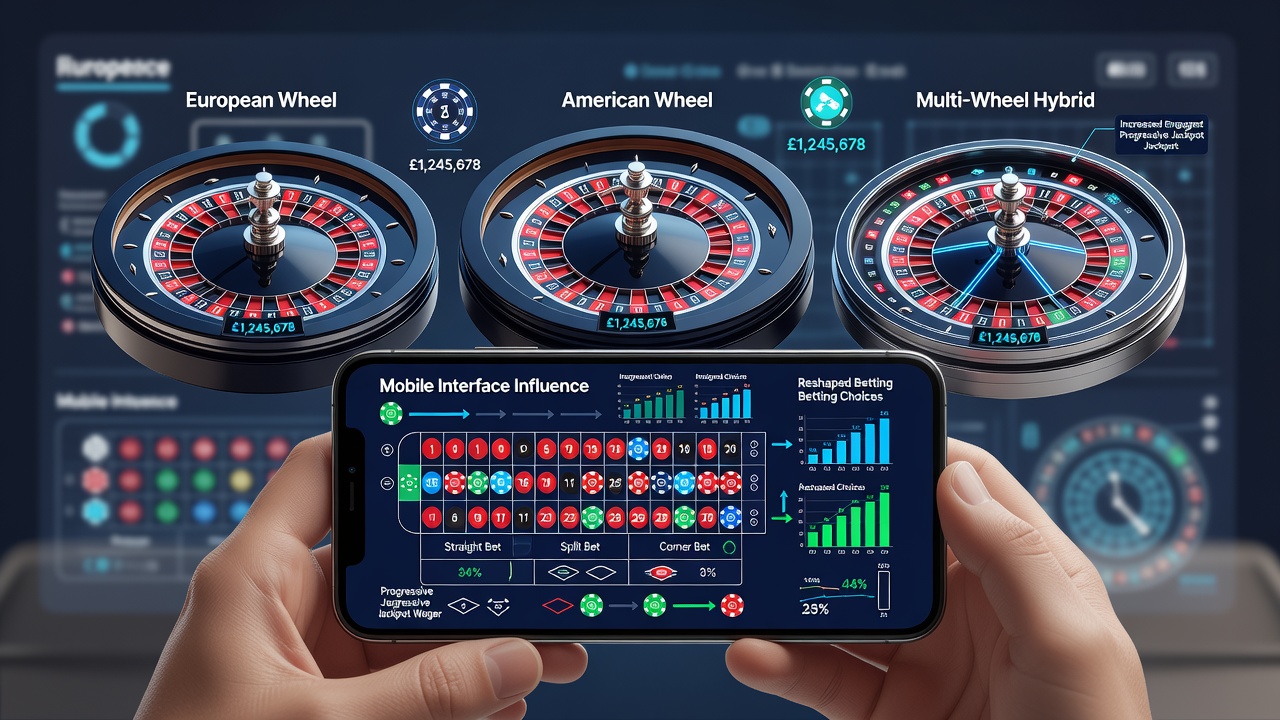
Touch-based controls on smartphones and tablets have altered how participants approach progressive jackpot roulette, particularly when wheel variants differ in zero counts and payout structures; European wheels with one zero, American versions with two, and French layouts with additional rules all respond differently to interface constraints like smaller tap zones and swipe gestures.
Design elements such as bet placement grids, auto-spin toggles, and jackpot meters adapt to portrait or landscape modes, and these adaptations guide selections toward simpler outside bets or repeated inside wagers depending on screen real estate and latency.
Interface Elements That Guide Initial Choices
Progressive jackpot roulette integrates a growing prize pool across spins, yet mobile layouts compress wheel visuals and betting chips into scrollable panels; players often select fewer numbers per round because finger precision limits multi-chip placements compared with desktop mouse precision, according to interface studies from the University of Nevada Reno gaming lab.
Quick-tap features allow repeated betting on the same sector while the wheel spins, and this repetition appears more frequently on American wheels where the double zero reduces base odds, prompting users to chase the progressive component through volume rather than spread.
Wheel Variant Differences Under Mobile Constraints
European single-zero wheels maintain higher theoretical returns, yet mobile zoom functions sometimes obscure the single-zero pocket during rapid spins, leading participants to favor even-money bets that require less visual confirmation; French wheels add la partage or en prison rules that mobile interfaces highlight with pop-up confirmations, shifting choices toward those protected outside positions.
American double-zero variants display larger zero sectors on smaller screens, and data collected through June 2026 from the Nevada Gaming Control Board shows increased frequency of column bets on mobile sessions, possibly because the layout groups numbers into three vertical stacks that align with thumb reach.
Progressive Jackpot Mechanics and Mobile Prompting
Jackpot triggers usually require specific inside combinations or random qualifiers, and mobile notification banners interrupt play to display current pool sizes; these interruptions correlate with higher single-number selections on European wheels during peak jackpot periods, as the interface emphasizes the potential multiplier attached to that wheel type.
Session timers and battery indicators appear alongside bet history, encouraging shorter cycles that favor wheel variants with faster resolution times; French wheels, with their rule overlays, extend each spin slightly and therefore receive fewer consecutive plays on devices where users monitor remaining charge.

Regional Data Patterns Emerging in 2026
Figures released in June 2026 by the Ontario Lottery and Gaming Corporation reveal mobile progressive roulette volume grew 18 percent year-over-year, with European wheel sessions showing elevated straight-up bets when jackpot meters exceeded prior monthly averages; American wheel sessions instead recorded more even-money activity, consistent with interface designs that default to larger chip denominations on double-zero layouts.
Industry reports from the European Gaming and Betting Association note similar regional splits, where swipe-to-spin mechanics increase spin counts across all variants yet produce measurable differences in bet distribution once the progressive seed resets.
Adaptations in Bet Types and Frequency
Autocomplete functions on mobile keypads reduce time spent entering custom stake amounts, and this convenience favors repeated minimum bets on high-volatility inside positions when chasing jackpots on single-zero wheels; outside bets receive steadier volume on double-zero wheels because the interface groups them into persistent side panels that survive screen rotations.
Multi-wheel comparison tools, available in certain applications, allow simultaneous views of European and American progressives, prompting some users to alternate variants within one session rather than committing to a single wheel type for the entire play period.
Conclusion
Mobile interface features continue to interact with the structural differences among progressive jackpot roulette wheels, producing observable shifts in bet selection and session length; regulatory data from multiple jurisdictions combined with interface research illustrate these patterns without requiring subjective interpretation of player intent.