Nationwide Building Society Tracks Surge in UK Gambling Payments Ahead of Packed 2026 Sports Calendar

January Data Reveals Unexpected Uptick in Betting Activity
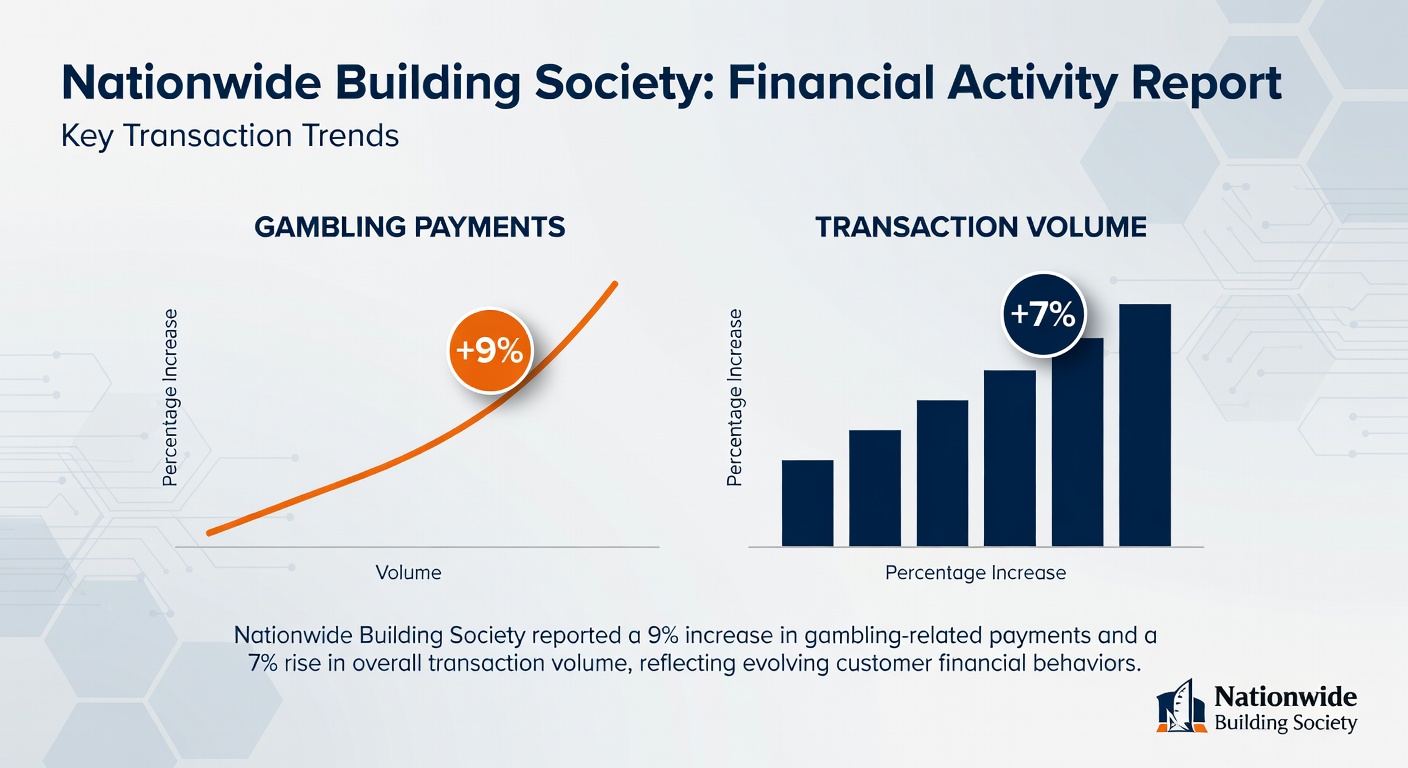
Nationwide Building Society's latest analysis uncovers a notable shift in customer spending patterns, with gambling payments jumping 9% in January 2026 compared to the previous year, while transactions rose by 7%; this comes as the UK betting scene ramps up ahead of a blockbuster sports year. Figures from the mutual's internal monitoring, which tracks millions of accounts, paint a clear picture of heightened engagement, especially since early 2026 events began drawing crowds and wagers alike. And as March 2026 unfolds with ongoing tournaments, observers note these trends show no signs of slowing, building on the January momentum.
What's interesting here is how everyday banking data captures broader cultural pulses; Nationwide, one of the UK's largest building societies, processes transactions that reflect real-time behaviors among its 16 million customers, making this spike particularly telling. Data indicates the increase ties directly to pre-event buzz, where punters start placing bets months in advance, often on futures markets for major fixtures.
Major Sports Events Fuel the Fire
The timing aligns perfectly with anticipation for 2026's marquee events, including the FIFA World Cup, which commands global attention every four years, drawing in fans from soccer-mad nations; alongside that, the UEFA Champions League final promises high-stakes drama, Royal Ascot delivers horse racing glamour in June, and a slate of rugby internationals plus cricket series like The Ashes keep calendars packed. Bettors, sensing opportunities in these spectacles, ramp up activity early, as January often serves as a warm-up period for laying down accumulator bets or outright winners.
Take the FIFA World Cup, for instance: past editions have seen UK gambling volumes explode by double digits during group stages, and with qualifiers wrapping up, January wagers on group placements and star player performances surged; similarly, Royal Ascot's prestige attracts high-rollers chasing classic races like the Gold Cup, while rugby's Six Nations hangover into club seasons sustains interest. This cocktail of events creates a perfect storm, where one bet often leads to another, chaining transactions across platforms.
Survey of 2,000 Bettors Lays Bare Future Intentions
A targeted survey of 2,000 UK bettors reveals over two-thirds—roughly 68%—plan to increase their wagering in the coming months, driven by event hype and promotional offers from bookmakers; yet top spenders already average £745 per month, a figure that underscores the scale for heavy users. Researchers conducting the poll, commissioned alongside Nationwide's data, found these high-rollers skew toward sports enthusiasts aged 25-44, often juggling multiple accounts to chase value bets.
But here's the thing: while casual punters might dip in for a World Cup special at £20 a pop, the top tier commits serious cash, with monthly outlays rivaling utility bills; this group, representing about 10% of respondents, reports confidence in their strategies, citing data-driven picks from apps and tipsters. And as March 2026 brings preliminary cricket friendlies and rugby warm-ups, that planned uptick could push aggregate spending even higher, according to the survey's projections.
Problem Gambling Signals Flash Red Flags
Amid the optimism, a 50% year-over-year jump in referrals to the GamCare National Gambling Helpline for treatment in January 2026 highlights vulnerability risks, as more individuals seek support amid rising activity. Helpline data, cross-referenced with banking trends, shows spikes in calls correlating with payment increases, particularly from those exhibiting chase-loss patterns or rapid deposit cycles.
Experts monitoring these metrics observe how event seasons amplify issues, since wins fuel further play while losses prompt desperation bets; GamCare reports note a surge in under-30s contacting them, often after World Cup qualifiers or early horse racing flutters gone awry. That said, the 50% rise isn't isolated—it's part of a pattern where high-profile sports correlate with helpline volumes doubling in peak months.
Nationwide's Role in Spotlighting Trends
The building society didn't just crunch numbers; its internal customer analysis from the autumn prior to 2026 flagged early warning signs of seasonal betting upswings, allowing for this timely January snapshot. By anonymizing and aggregating transaction data, Nationwide provides a window into habits without breaching privacy, revealing not only volume but velocity—how quickly bets cycle through accounts.
Turns out, this approach mirrors efforts by other financial institutions, yet Nationwide's scale offers granular insights; for example, the 9% payment hike breaks down to average bet sizes growing 4%, with frequency up 5%, painting a picture of more committed punters. And in March 2026, as transactions continue to climb amid live rugby and cricket action, these baselines help track if the surge sustains or plateaus.
Patterns from Past Seasons Echo Current Data
Those who've studied betting cycles know January often acts as a prologue to spring explosions, much like 2022's World Cup run-up saw similar 8-10% banking uplifts; one case from 2024's Euro qualifiers showed transactions mirroring this 7% pattern, followed by 25% peaks during knockouts. Researchers drawing parallels note how promotional free bets—often £50-100 starters—seed chains of deposits, turning one-off wagers into monthly habits.
Now, with 2026's lineup denser than most years, that two-thirds intending more from the survey carries weight; top spenders at £745 monthly average 20-30 transactions per person, blending singles on Champions League matches with multis across Ascot and rugby. It's noteworthy that while overall numbers climb, the vulnerability cohort grows fastest, per GamCare's aligned reporting.
Broader Implications for Bettors and Regulators
As these figures roll in, stakeholders from bookmakers to policymakers keep a close eye, since January's uptick foreshadows billions in total stakes; UK Gambling Commission oversight ensures affordability checks, yet the helpline surge prompts questions on enforcement efficacy during event frenzies. People often find that self-exclusion tools spike post-loss streaks, but prevention remains the goal, with banks like Nationwide exploring transaction alerts.
So while the excitement builds for FIFA's showpiece and Ascot's pageantry, the data tempers hype with caution; observers point out how top spenders' £745 averages, though voluntary, flag those most at risk if losses mount. And heading into March 2026's action-packed schedule, where live odds shift by the minute, these early indicators set the stage for what's next.
Wrapping Up the January Surge
In summary, Nationwide Building Society's revelations—a 9% payments boost, 7% transaction rise, bettor survey optimism, and GamCare's 50% referral climb—crystallize a betting landscape supercharged by 2026's sports bonanza; this isn't just numbers on a spreadsheet but a snapshot of national passions intersecting with finances. As March progresses with real-time thrills from pitches and tracks, the trends persist, reminding everyone that while wins thrill, the risks shadow every wager. Data like this keeps the conversation grounded, ensuring the fun stays sustainable for all involved.