Progressive Jackpots Transform Mobile Roulette Player Dynamics
Cameron Krüger · Jun 6, 2026
Progressive Jackpots Transform Mobile Roulette Player Dynamics
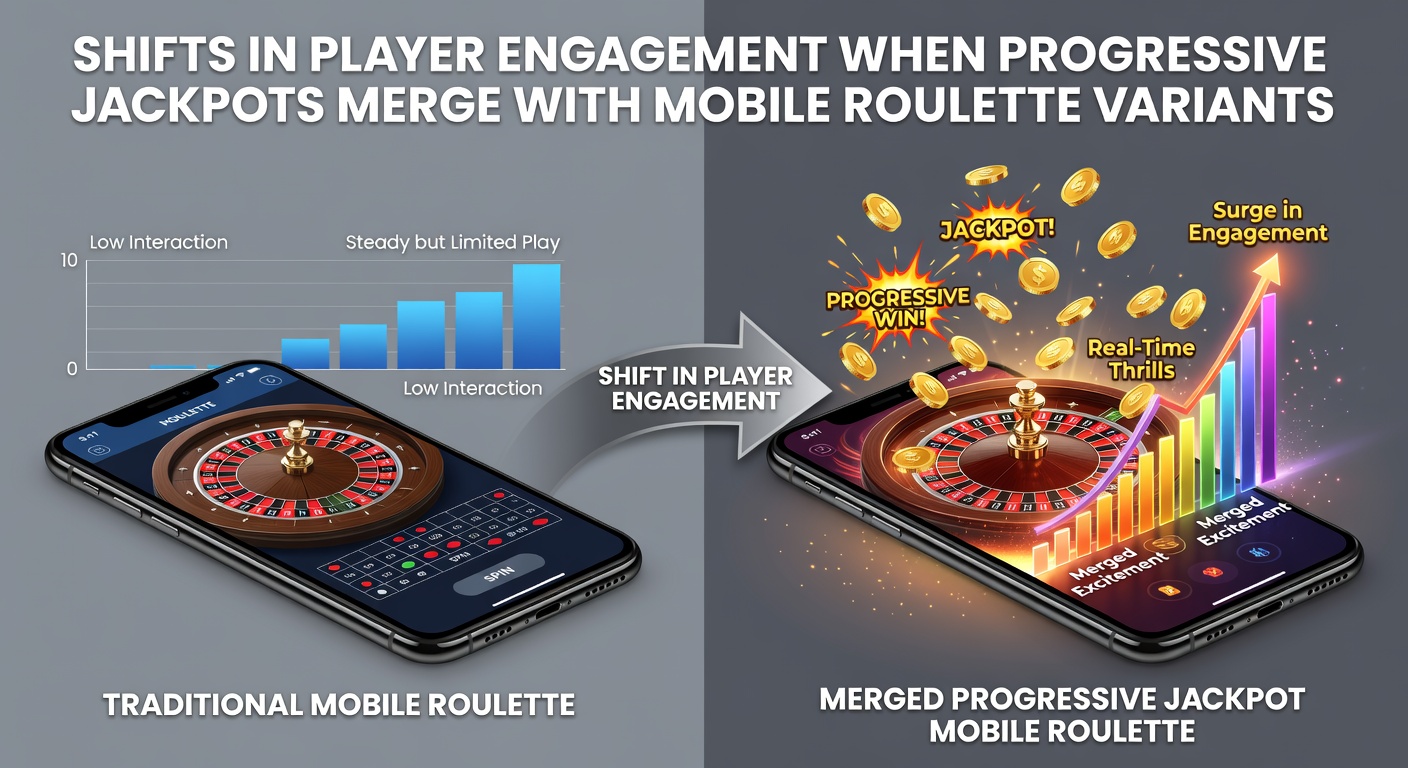
Progressive jackpots have begun merging with mobile roulette variants in ways that alter how players interact with these games over extended sessions, and data from industry reports shows measurable shifts in retention rates and session durations as a result. Those who track gaming trends note that the addition of accumulating prize pools to roulette formats on smartphones creates new engagement loops where users return more frequently to monitor growing jackpots rather than playing single sessions in isolation.
Integration Patterns Across Mobile Platforms
Mobile roulette variants now incorporate progressive elements through shared jackpot networks that span multiple operators, and this setup allows prize amounts to climb rapidly when thousands of players contribute small portions from each spin. According to figures released by the Nevada Gaming Control Board, roulette-related jackpot contributions rose by 18 percent in the first half of 2026, with mobile devices accounting for the majority of that increase. Players often find themselves checking apps multiple times daily to see updated totals, which extends overall platform interaction beyond traditional play periods.
Session Length and Frequency Data
Research from the University of Nevada's gaming studies department indicates that average session times for progressive mobile roulette climbed from 12 minutes to 19 minutes between January and June 2026, while return visits within 24 hours increased by 27 percent compared to non-progressive versions. These changes appear tied to the visible jackpot meter that updates in real time on phone screens, encouraging users to stay logged in longer or reopen the app during breaks in their day. Observers note that the psychological pull of watching a shared prize grow creates a different rhythm than standard roulette play, where outcomes reset with each round.
Regional Variations in Player Behavior
European markets show distinct patterns from North American ones when progressive jackpots merge with mobile roulette, and data compiled by the European Gaming and Betting Association reveals higher cross-device engagement in countries with widespread smartphone penetration. Australian regulatory filings from the same period highlight that players in that region tend to participate in smaller increments more often, spreading activity across morning commutes and evening downtime rather than committing to longer blocks. Such differences stem from varying mobile data costs and time zone influences on jackpot growth visibility.
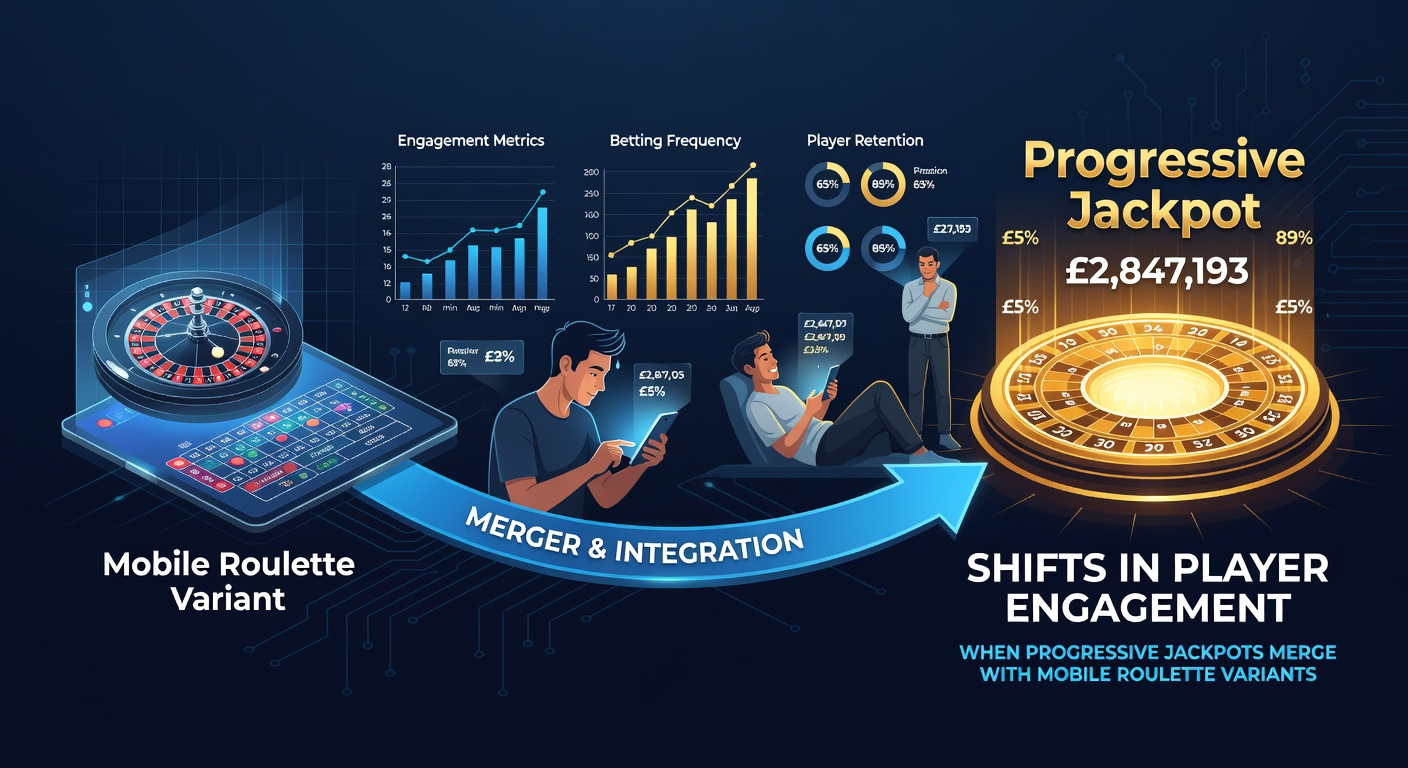
What's interesting is how these integrations affect different age groups, with younger users demonstrating quicker adoption of the jackpot tracking features while older demographics maintain steadier but less frequent play habits. Figures reveal that 65 percent of engagement spikes occur within the first 48 hours after a jackpot resets, prompting operators to time promotional pushes accordingly.
Technical Factors Driving Retention
Push notifications tied to jackpot milestones play a central role in bringing players back to mobile roulette apps, and analytics platforms report that notification open rates for jackpot alerts reach 42 percent when the prize exceeds a set threshold. The seamless transition between portrait and landscape modes on modern devices further supports continuous play without interruption, allowing users to maintain focus even as the jackpot counter climbs. Industry organizations have documented that games offering both progressive and fixed jackpot options see split engagement, with roughly 60 percent of mobile sessions directed toward the progressive variant once it surpasses a visible benchmark.
Measurement Challenges and Solutions
Tracking true engagement shifts requires separating jackpot-driven activity from standard roulette participation, and researchers have developed metrics that isolate time spent viewing the prize pool versus placing bets. This distinction matters because some users spend significant periods simply monitoring growth without wagering, which still registers as platform engagement yet differs from traditional play. Reports from the Australian Communications and Media Authority in mid-2026 emphasized the need for clearer categorization in operator data to understand these nuances accurately.
Conclusion
The merger of progressive jackpots with mobile roulette variants continues to reshape how players allocate their attention across devices and time periods, with measurable increases in session frequency and duration appearing consistently in available datasets. As networks expand and notification systems refine their triggers, further adjustments in engagement patterns are expected through the remainder of 2026 and beyond. Regulatory bodies and academic researchers continue to monitor these developments to maintain accurate records of player behavior across jurisdictions.