Progressive Prize Pools Transforming Mobile Roulette Experiences Across European and American Markets
Cameron Krüger · Aug 22, 2026
Progressive Prize Pools Transforming Mobile Roulette Experiences Across European and American Markets
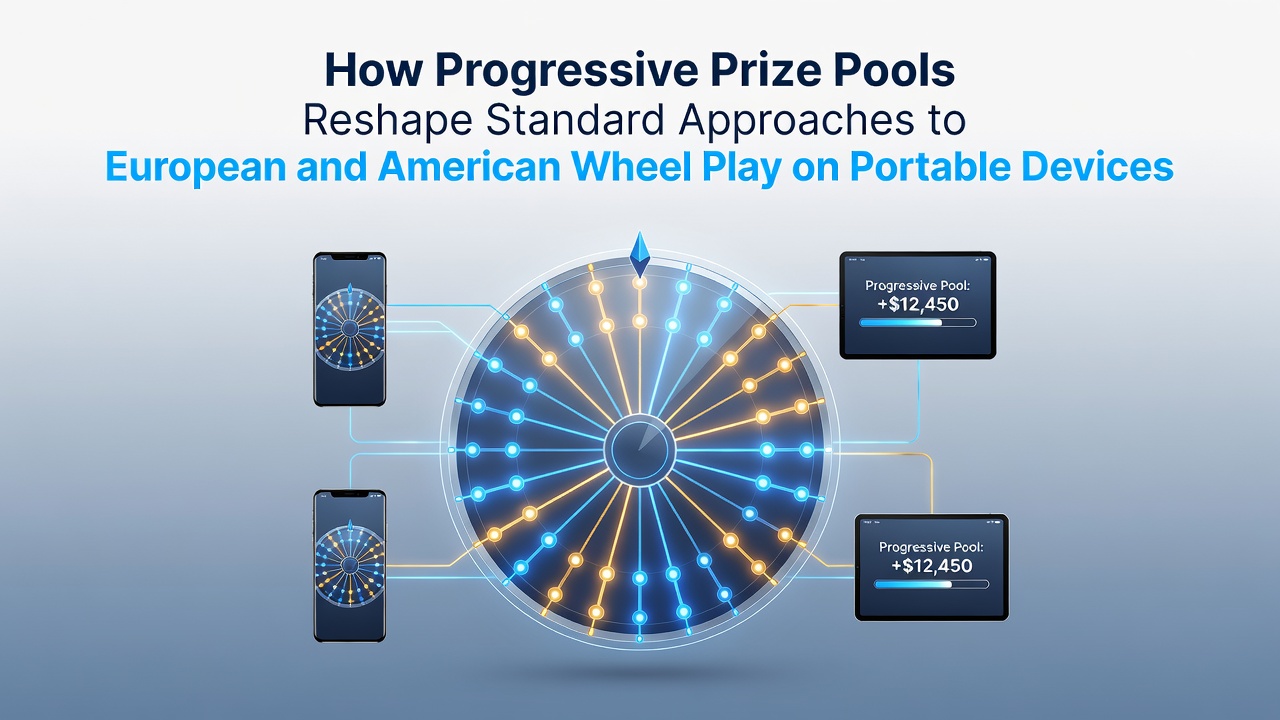
Progressive prize pools have introduced new dynamics into roulette play on portable devices, particularly when comparing European wheels with 37 pockets to American wheels that feature 38 pockets including an extra double zero. Data from industry reports indicate that these accumulating jackpots draw contributions from a percentage of each qualifying bet, which then redistributes to winners at random or through specific trigger conditions on mobile platforms.
Mechanics of Progressive Pools in Wheel Games
Operators configure progressive systems so that a small fraction of wagers on designated roulette variants feeds into a shared pool, and this structure applies equally to apps running on smartphones and tablets. European versions often attract higher participation rates because the single zero layout provides a house edge of 2.7 percent compared to the 5.26 percent on American wheels, and observers note that players adjust session lengths accordingly when chasing the growing prize. Research from gaming analytics firms shows participation spikes during evening hours in both regions, with mobile data traffic accounting for over 60 percent of contributions to these pools as of August 2026.
Regional Differences in Player Behavior
European markets regulated under frameworks like those overseen by the Malta Gaming Authority demonstrate steady integration of progressive features into licensed mobile applications, whereas American states with legalized online play, including New Jersey, report similar adoption through platforms certified by the Division of Gaming Enforcement. Players on portable devices frequently place minimum qualifying bets to remain eligible for the pool, and this pattern emerges consistently across both wheel types despite the variance in pocket counts. Figures from the European Gaming and Betting Association reveal that mobile sessions involving progressive roulette last an average of 12 minutes longer than non-progressive equivalents, which alters standard pacing observed in traditional casino environments.
Mobile Interface Adaptations and Pool Interactions
Touchscreen controls on portable devices allow quick adjustments to bet sizes that contribute to progressive pools, and developers incorporate visual indicators showing current pool totals directly on the wheel display. American wheel variants on mobile apps often include additional side bets tied to the jackpot, which increases the overall contribution rate per spin compared to European counterparts. Those who study mobile gaming patterns report that users in urban areas of both continents switch between multiple apps during a single session, thereby distributing contributions across different progressive systems and affecting how quickly individual pools accumulate value.
Data Trends as of August 2026
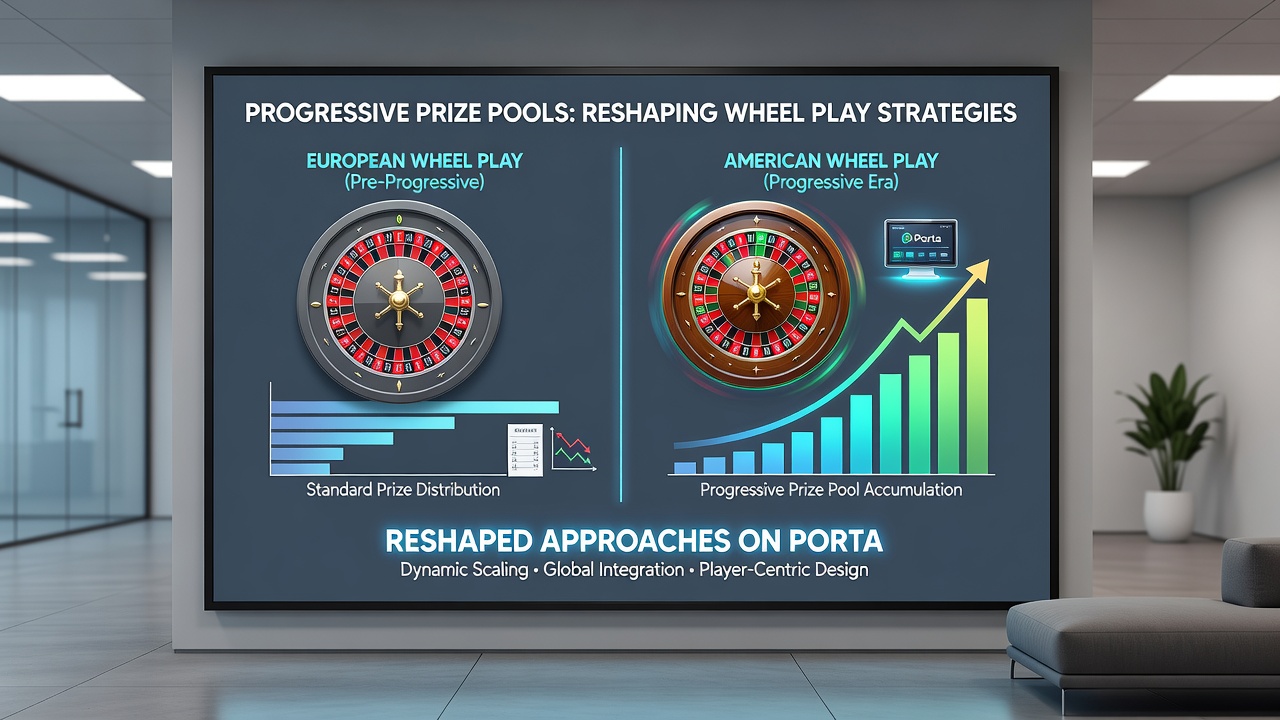
Analytics covering the first half of 2026 indicate that progressive roulette pools on portable devices reached average totals exceeding 2.4 million euros in major European networks, while comparable American pools averaged 1.8 million dollars in participating states. This growth correlates with increased smartphone penetration and the availability of 5G connectivity that supports uninterrupted play sessions. Researchers tracking user logs find that European players tend to favor progressive European wheel games at lower stake levels, whereas American participants allocate higher percentages of their bankroll to chase the larger pool values associated with double-zero layouts.
Regulatory Influences on Pool Structures
Regulations in various jurisdictions require clear disclosure of contribution percentages and payout triggers for progressive systems, and this transparency shapes how developers present information within mobile interfaces. The National Indian Gaming Commission in the United States has documented protocols that separate progressive contributions from standard house-edge calculations, while Australian regulatory bodies apply similar separation rules for online casino offerings. These frameworks ensure that progressive elements remain optional in most mobile applications, allowing players to select standard wheel play without pool participation if preferred.
Conclusion
Progressive prize pools continue to modify participation patterns in European and American roulette on portable devices through their integration with mobile technology and regional regulatory standards. Available data highlight measurable differences in session duration, bet sizing, and wheel selection that stem directly from the presence of accumulating jackpots rather than from traditional wheel mechanics alone. Ongoing monitoring by industry organizations tracks these shifts as mobile platforms expand their reach across both continents.