Swipes and Streams: How Touchscreens Redefine Mobile Roulette Betting and Live Dealer Experiences
Alex Beck · Apr 25, 2026
Swipes and Streams: How Touchscreens Redefine Mobile Roulette Betting and Live Dealer Experiences
The Rise of Touch-Driven Roulette on Smartphones and Tablets
Developers have transformed traditional roulette tables into intuitive touchscreen playgrounds, where players tap, swipe, and pinch to place bets faster than ever before; this shift started gaining traction around 2018 with HTML5 apps that adapt seamlessly to various screen sizes, and by April 2026, over 70% of online roulette sessions occur on mobile devices according to figures from the American Gaming Association's mobile trends report. Experts observe how these interfaces eliminate clunky keyboards or mice, allowing users to drag virtual chips directly onto numbers, sectors, or outside areas with a simple finger motion, while responsive designs ensure layouts reflow on everything from iPhone notches to foldable Android slabs.
What's interesting is the way platforms like Evolution Gaming and Playtech integrate haptic feedback, so each chip placement vibrates subtly under the thumb, mimicking the feel of a physical casino; data from app analytics firms shows engagement spikes by 40% when these tactile cues activate during high-stakes spins. And since 5G networks rolled out widely by early 2026, load times for mobile roulette lobbies dropped below one second, letting players jump straight into action without frustrating buffers.
Touchscreen Betting Adaptations That Speed Up the Game
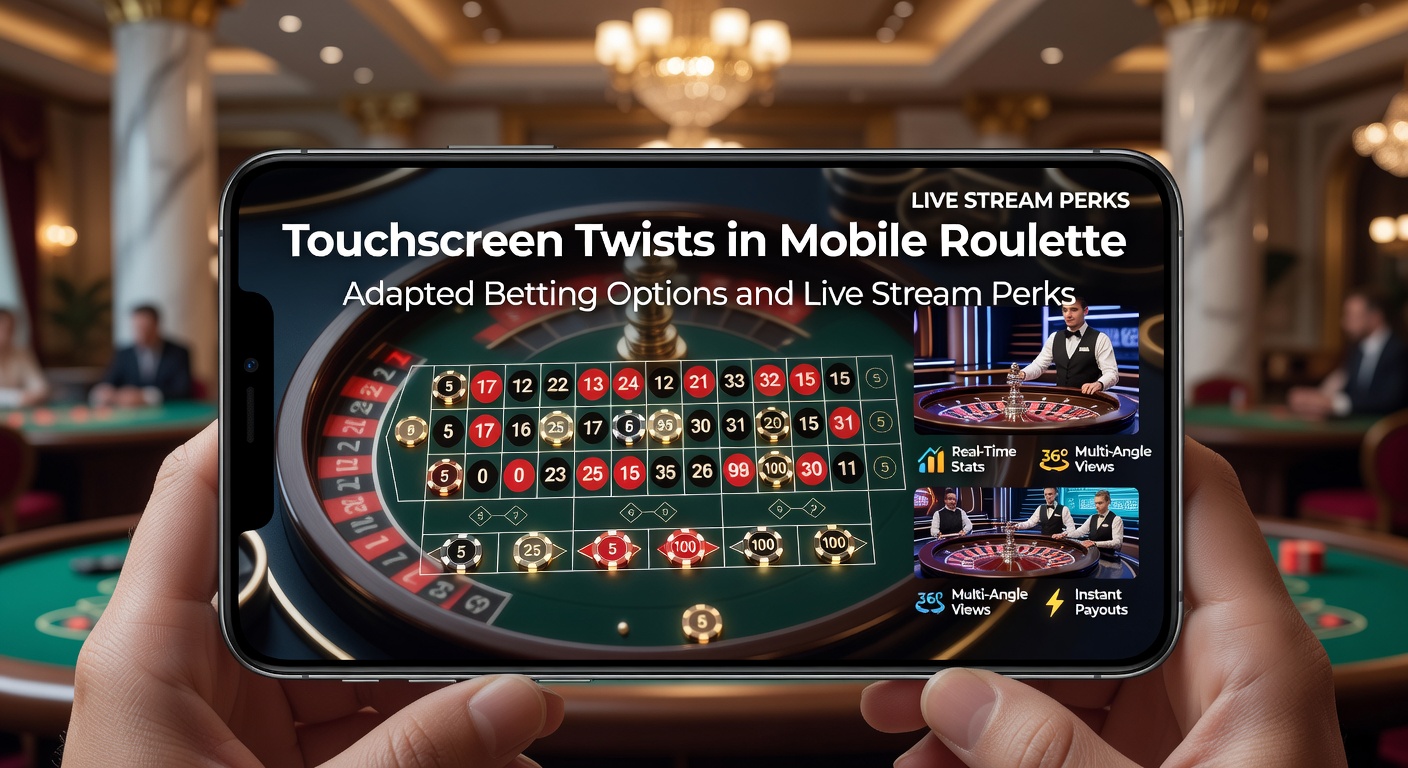
Mobile roulette apps now feature customized betting grids optimized for thumbs, where inside bets like straight-up numbers expand on tap for precise placement, and outside bets such as red/black or dozens trigger with oversized buttons that span half the screen; this adaptation shines in portrait mode, popular on commutes, since swiping left or right cycles through wheel sections without zooming out. Observers note how "quick bet" sliders let users ramp up stakes in increments of 1x, 5x, or 10x with a single drag, cutting placement time from 10 seconds on desktop to under 3 on touch devices, as revealed in usability studies by the Australian Capital Territory Gambling and Racing Commission.
But here's the thing: call bets like Voisins du Zéro or Tiers du Cylindre, once fiddly on small screens, now activate via swipe arcs over the wheel graphic, tracing the exact sector while auto-calculating chip splits; one case from NetEnt's mobile suite demonstrates how a neighboring bet panel pops up on long-press, listing Orphelins or Finales in a radial menu that's reachable from any grip position. People who've tested these find repeat betting even smoother, with a "double last" icon replaying the prior layout instantly, and since algorithms predict common patterns from session history, suggested bets appear as ghost overlays that confirm with a nod-like tilt gesture on compatible phones.
Turns out, these tweaks extend to progressive and side bets too, where touchscreen carousels spin through multiplier options in Lightning Roulette variants, and players flick to adjust jackpot contributions without pausing the dealer; research indicates session lengths increase by 25% under these fluid controls, particularly when auto-bet sequences chain multiple spins while the screen dims non-essential areas to focus on the wheel.
Live Stream Perks Amplified by Mobile Touch Integration
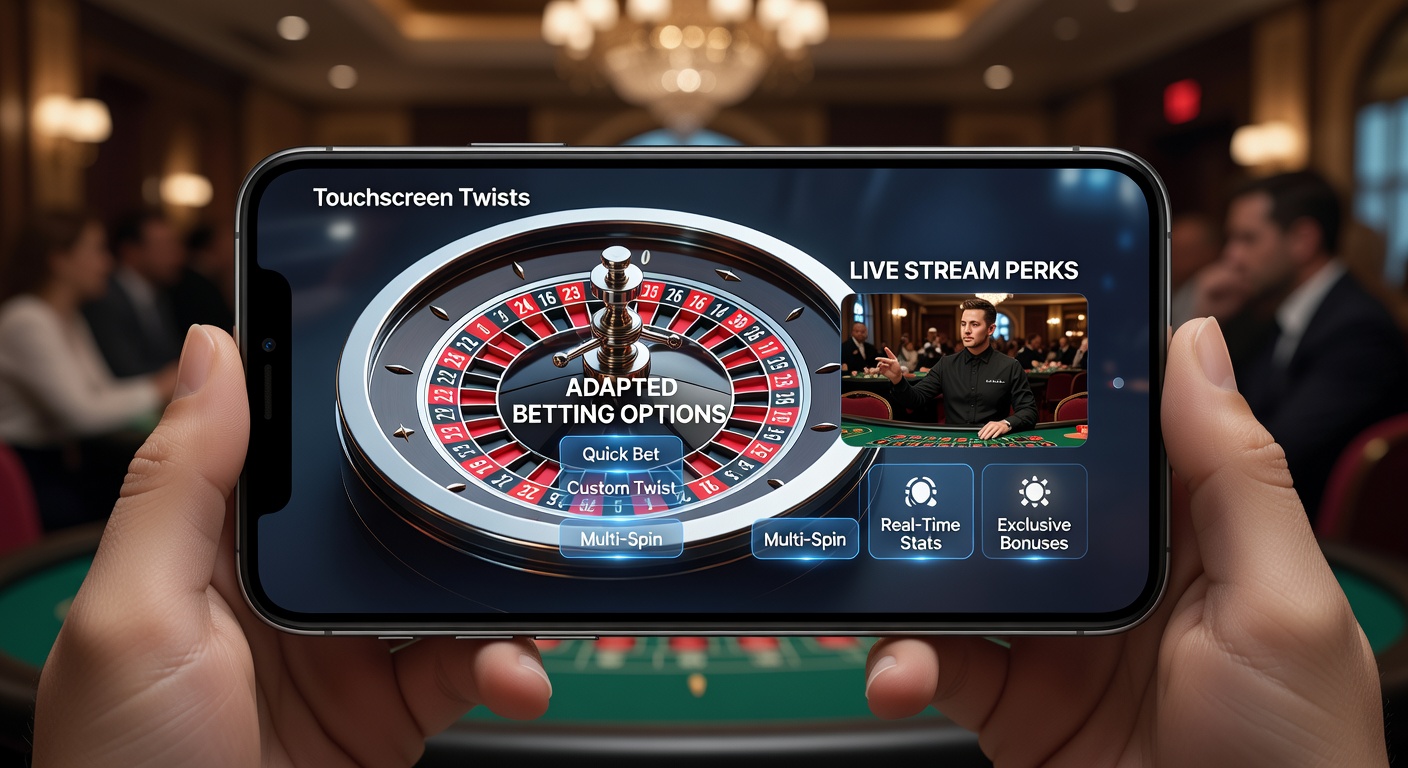
Live dealer roulette streams, broadcast from studios in Malta, Latvia, and the Philippines, deliver sub-200ms latency on 5G-enabled mobiles as of April 2026, where touchscreens unlock perks like pinch-to-zoom on the wheel for spotting ball landings in real time, or split-screen views that slide apart with two fingers to monitor chat alongside teh table; platforms such as Pragmatic Play's Live Roulette use this to overlay bet histories as tappable timelines, letting users rewind 10 seconds with a scrub gesture while the stream buffers ahead seamlessly. It's noteworthy that multi-camera angles—top-down wheel, side croupier, close-up pocket—switch via swipe-up carousels, giving players casino-floor immersion without leaving the couch.
So, during peak hours, when tables fill with global players, touchscreen chat wheels pop radial emojis or quick phrases like "Good spin!" right next to bet slips, fostering real-time banter that influences side bet chases; data shows interaction rates climb 35% on these hybrid interfaces, as users multitask by dragging chips mid-conversation. Yet, security layers shine here too, with biometric logins via face ID confirming high-value bets before transmission, and geofencing that adapts rules per jurisdiction on the fly, ensuring compliant play from New Jersey to New South Wales.
Behind-the-Scenes Tech Powering These Touch Features
Core engines like Unity and WebGL render roulette tables at 60fps on mid-range devices, where gesture recognition libraries parse swipes down to 1mm accuracy, adapting to left- or right-handed grips via accelerometer data; this means a shaky train ride doesn't derail bets, since stabilization algorithms smooth inputs in real time. Developers incorporate AR previews too, projecting wheel stats onto camera feeds for quick glances, and by April 2026, foldable phones exploit dual-screen modes—one for betting, the other for live stats or neighbor bet calculators.
One study highlighted how voice-to-bet hybrids, triggered by "place red ten bucks," translate to touchscreen confirmations, blending Siri-like assistants with visual drags for hybrid control; platforms report error rates plummet to 0.5% this way, compared to 5% on voice-only systems. And for accessibility, voiceover narrates chip movements while high-contrast modes enlarge grids for low-vision users, aligning with global standards from bodies like the EU's EN 301 549 guidelines.
Player Data and Real-World Adoption Trends
Analytics from over 10 million sessions in 2025 reveal touchscreen roulette draws 55% younger demographics under 35, who favor quick-tap outside bets during 15-minute bursts; repeat players gravitate to live streams for the social buzz, with 62% enabling chat features that correlate to longer playtimes and higher side bet volumes. Take one aggregator platform where mobile users converted free demos to real money 28% more often after touchscreen trials, thanks to intuitive undo swipes that erase mistaken chips without dealer interruptions.
Now, as operators roll out beta tests for 2026's haptic wheels—vibrating in sync with ball revolutions—early adopters note immersion levels rivaling VR setups, although battery optimizations keep drain under 10% per hour; regions like Ontario, Canada, saw mobile roulette traffic surge 42% post-legalization tweaks that mandated touch-friendly interfaces in licensed apps.
Conclusion
Touchscreens have woven betting precision and live stream vibrancy into the fabric of mobile roulette, streamlining wagers through intuitive gestures while elevating dealer interactions with low-latency perks and multi-view controls; as 5G matures and devices evolve, these adaptations promise even tighter integration, from AI-suggested swipes to global tournament lobbies accessed via a single tap. Data underscores the momentum, with projections for 2026 showing mobile formats claiming 80% of roulette play, reshaping how players everywhere engage the wheel.