The Impact of Roulette Wheel Variations on Progressive Jackpot Payout Mechanisms
Theo Hayes · Jun 20, 2026
The Impact of Roulette Wheel Variations on Progressive Jackpot Payout Mechanisms
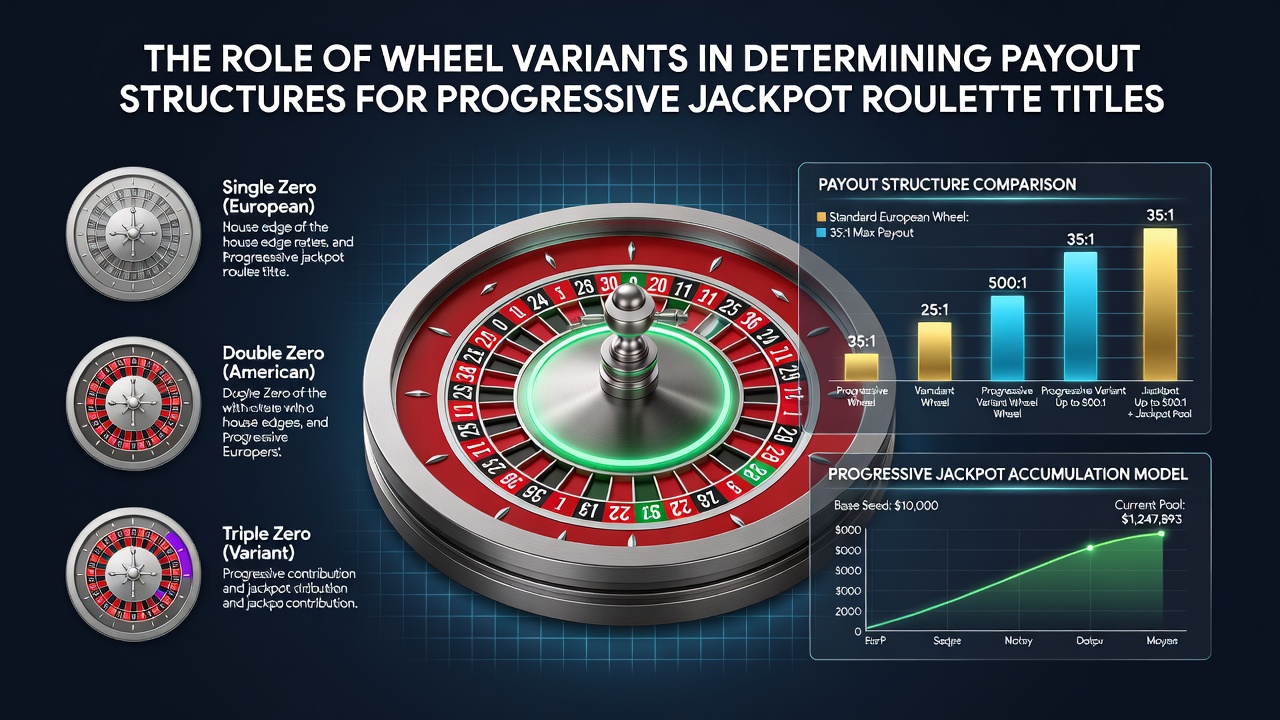
Wheel variants play a central role in shaping how progressive jackpot roulette titles calculate and distribute their growing prize pools, since the number of pockets and special rules directly influence hit frequencies along with the mathematical allocation of bets toward the jackpot meter. European wheels with 37 pockets, American designs featuring 38 pockets including a double zero, and French wheels that incorporate La Partage or En Prison rules create distinct probability landscapes that developers must account for when programming payout structures.
Operators configure progressive jackpots so that a small percentage of each qualifying bet feeds into a shared pool, yet the underlying wheel determines how often players land the specific outcomes required to trigger that pool. A straight-up bet on zero carries different odds on a single-zero wheel compared with a double-zero layout, which forces software providers to adjust the contribution rate or the base payout multiplier to maintain consistent house edges across markets.
Core Mechanical Differences Across Wheel Types
European and French wheels contain pockets numbered 0 through 36, while American wheels add an extra 00 pocket that increases the total to 38; this single addition raises the house edge from approximately 2.7 percent to 5.26 percent on most inside bets. Progressive titles built on American wheels therefore require larger jackpot contributions or lower trigger probabilities to offset the higher built-in advantage, whereas European-based games can allocate slightly more of the bet to the meter while still preserving operator margins. French wheels add another layer because La Partage returns half the stake on even-money bets that land on zero, effectively lowering the house edge to 1.35 percent and compelling designers to recalibrate how much of each wager supports the progressive pool.
These structural distinctions extend beyond the base game into the jackpot layer, where the frequency of rare outcomes such as hitting zero or a specific number sequence must align with the meter growth rate. Data from multiple regulated markets shows that games using single-zero wheels reach advertised jackpot thresholds more frequently than their double-zero counterparts, prompting some studios to introduce tiered progressive levels that scale according to the wheel variant selected by the casino.
Funding Models and Regulatory Adjustments
Regulators in various jurisdictions require operators to publish the return-to-player percentage that includes both the base game and the progressive component, which means wheel choice becomes a compliance factor as well as a design choice. Reports from the New Jersey Division of Gaming Enforcement indicate that progressive roulette titles must demonstrate transparent metering mechanics that account for every wheel configuration offered on a platform. Similar oversight exists in Australian states where state gaming authorities review the mathematical models before licensing, ensuring that the wheel variant does not create misleading expectations about jackpot frequency.
Developers respond by maintaining separate RNG seeds and payout tables for each wheel type, so a title that supports both European and American versions carries distinct progressive parameters even though the visual interface remains similar. This separation prevents cross-contamination of funds and allows casinos to select the wheel that best matches their target player demographic and local regulatory framework.
Player Selection and Market Trends Through Mid-2026
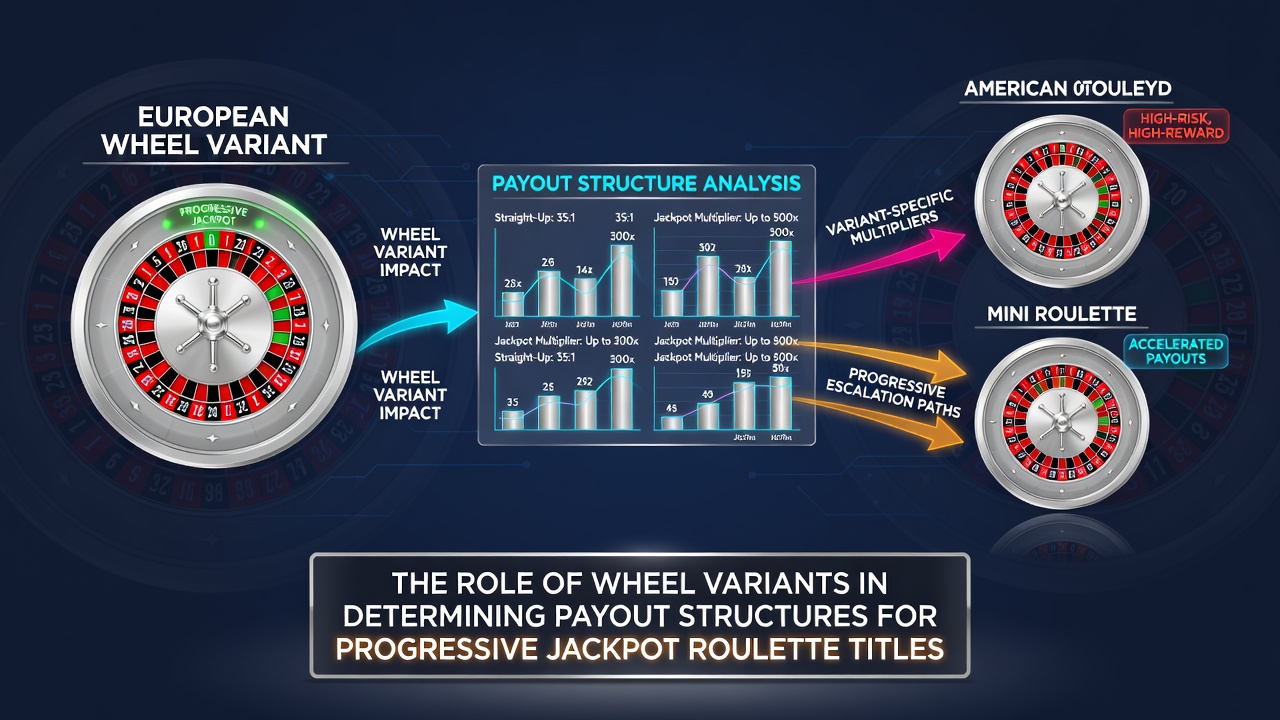
By June 2026 several major platforms expanded their progressive roulette offerings to include selectable wheel variants within the same game lobby, giving players direct control over which configuration feeds the shared jackpot. This flexibility emerged after industry analyses revealed that participants often prefer single-zero wheels when chasing progressives because the improved odds on zero-related triggers feel more attainable. Multi-wheel lobbies now display real-time meter growth rates side by side so users can compare how contribution percentages translate into expected value across variants.
Live dealer studios have followed the same pattern, installing both European and American wheels on adjacent tables that feed identical progressive pools, thereby balancing traffic while satisfying different regulatory requirements in the jurisdictions they serve. Observers note that this dual-wheel approach has stabilized jackpot growth rates because the combined player base offsets the slower trigger frequency on double-zero tables.
Conclusion
Wheel variants remain fundamental to the architecture of progressive jackpot roulette because they set the probabilities that govern both base-game returns and the accumulation of shared prize pools. As platforms continue to offer multiple configurations within single titles, the relationship between pocket count, special rules, and payout mechanics will stay central to game design and regulatory approval. Players encounter these differences most clearly when comparing trigger frequencies and meter contribution rates across European, American, and French layouts, yet the underlying mathematics ensures that each variant delivers a consistent and auditable experience regardless of the chosen wheel.