UK Gambling Commission Unveils Q2 Industry Statistics: Betting Shops and Remote Surge in Focus

The Latest Quarterly Snapshot from the Gambling Commission
The UK Gambling Commission dropped its official quarterly industry statistics for the second quarter of the financial year spanning April 2025 to March 2026, zeroing in on data from July through September 2025; figures reveal steady activity across sectors, with non-remote betting holding its ground while remote operations show notable scale. Data indicates Gross Gambling Yield (GGY) – essentially the net win for operators after payouts – painted a clear picture of where the action landed during those summer months, as betting shops contributed substantially and online casino play dominated remote totals. Observers note these stats offer a pulse check on an industry navigating shifts toward digital platforms, yet physical locations remain embedded in the landscape.
Turns out, total non-remote GGY carved out significant chunks from various activities, but betting led the pack at £592 million, snagging 48.2% of the overall non-remote pot; alongside that, Great Britain hosted 5,782 betting shops, a number that underscores the brick-and-mortar presence even as remote betting folds into a broader remote casino, betting, and bingo sector GGY of £2.0 billion. Remote casino alone powered ahead with £1.4 billion, dwarfing other remote categories and highlighting how online slots and tables pull in the big yields. What's interesting here lies in the contrast – physical betting thrives on high-street footfall, while remote casino leverages app-based convenience, both feeding into the FY trajectory toward March 2026.
Breaking Down Non-Remote Betting: Shops and Yields in Detail
Non-remote betting's £592 million GGY stands out as the heavyweight in physical gambling, capturing 48.2% of total non-remote yields; experts tracking these reports point out how this figure reflects bets placed in those 5,782 shops scattered across Great Britain, from bustling urban strips to quieter towns. Data shows operators in this segment rely on in-person wagers for sports, horses, and more, generating revenue that supports shop upkeep and staffing amid evolving consumer habits.
But here's the thing: while the exact shop count holds at 5,782, the GGY underscores resilience, as punters flock to familiar counters for that tactile betting experience; figures reveal this sector's share edges out others like non-remote casino or bingo, proving betting shops aren't fading quietly. Take one analyst who crunched the numbers – they observed how £592 million translates to average daily yields per shop hovering around certain benchmarks (though precise per-shop breakdowns await deeper dives), yet the aggregate tells a story of consistency in a quarter marked by major sporting events from July to September. And since the FY runs through March 2026, these stats set a baseline for comparing against Q3 and Q4, where holidays and leagues could amp things up.
People who've studied past quarters know non-remote betting often weathers economic winds better than flashier segments, with 48.2% dominance signaling operator strategies like promotions and live odds displays keeping doors open; it's not rocket science, but the data confirms shops as the backbone, contributing yields that fund community ties and local jobs.
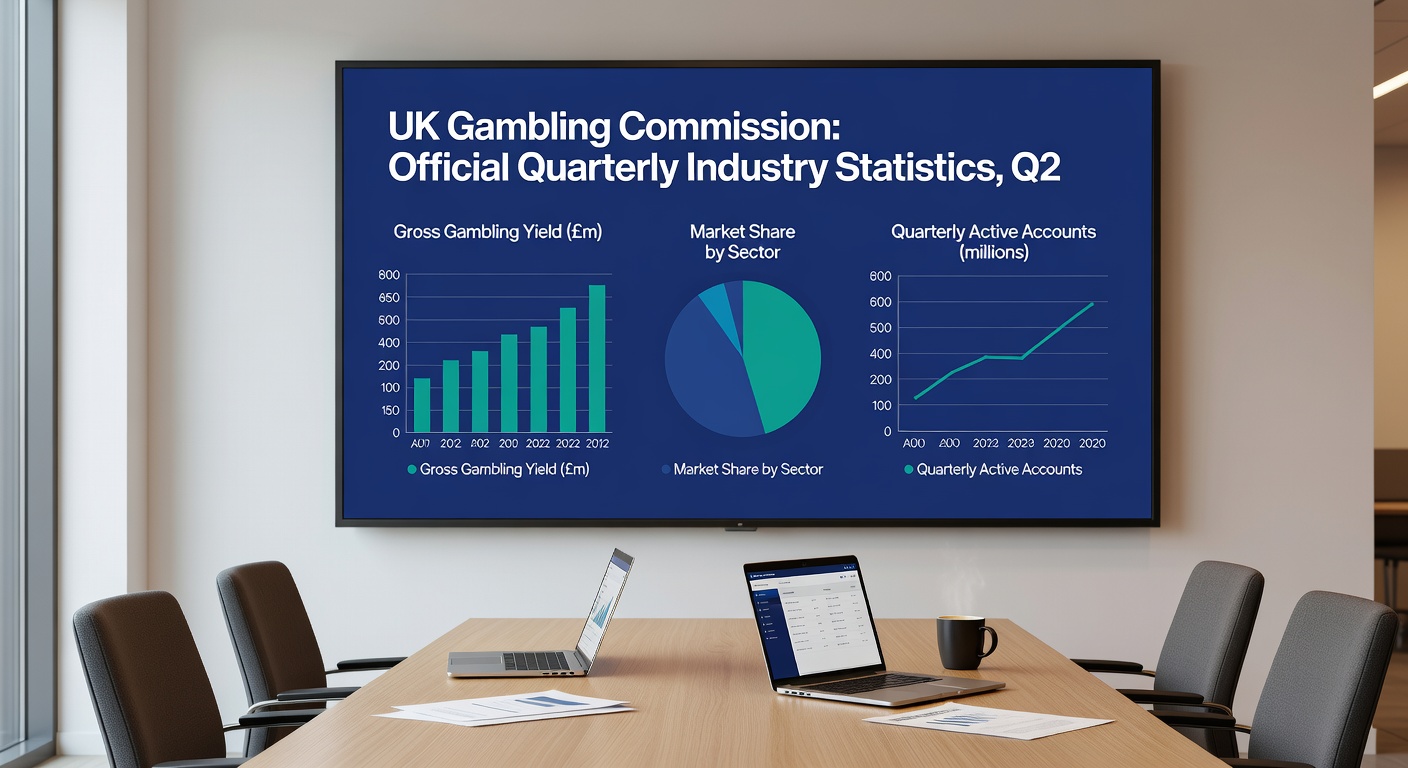
Remote Sector Dynamics: Casino Leads the £2 Billion Charge
Shifting gears to remote, the combined casino, betting, and bingo GGY hit £2.0 billion for the quarter, a hefty sum driven largely by remote casino's £1.4 billion haul; data indicates this online powerhouse – think digital roulette wheels, blackjack tables, and slot reels – commands the lion's share, leaving remote betting and bingo to split the rest. Observers highlight how apps and websites enable 24/7 access, fueling yields that outpace physical counterparts in raw volume.
What's significant is remote casino's dominance within that £2.0 billion, as £1.4 billion reflects player engagement via mobile devices and desktops; studies of similar reports show this segment grows with tech adoption, where quick spins and progressive jackpots hook users longer than traditional bets. Remote betting, nested in this total, contributes its piece – though specifics carve it smaller next to casino – while bingo rounds out the trio with community-focused online rooms. Turns out, the broader remote figure positions the industry for FY growth through March 2026, especially as 5G and AI personalization sharpen operator edges.
One case from the data: remote casino's £1.4 billion eclipses non-remote betting's £592 million by more than double, yet both coexist; experts note this duality, where online scales massively because it skips overheads like rent for 5,782 shops, allowing yields to balloon from global player pools. And although remote betting GGY isn't isolated here, its role in the £2.0 billion mix underscores hybrid strategies, blending sports wagering with casino flair.
GGY Breakdowns and What They Signal for the Industry
Total non-remote GGY, with betting at 48.2% via £592 million, hints at a diversified physical base; figures reveal other non-remote slices like slots or lotteries filling gaps, but betting's lead – tied to those 5,782 locations – keeps it central. Data from the quarterly report lays bare how yields stem from player losses net of stakes, a metric regulators use to gauge health without inflating egos.
Now, remote's £2.0 billion splits tell their tale: casino at £1.4 billion means over 70% of that pot, a stat that catches eyes because it shows where digital dollars flow; remote betting, while potent, plays supporting act, often spiking with football seasons from July onward. Those who've pored over these releases know GGY fluctuations track events – Wimbledon, Premier League openers – boosting both remote and non-remote during Q2. Here's where it gets interesting: as March 2026 nears, Q2 sets benchmarks for year-end tallies, with shop counts stable at 5,782 signaling no mass closures, unlike prior dips.
Smooth transitions between sectors emerge too; punters hit shops for bets, then apps for casino, blending £592 million physical with £2.0 billion remote into a unified FY picture. It's noteworthy that non-remote betting's percentage holds firm at 48.2%, a figure that reassures stakeholders amid remote hype.
Broader Context: Shops, Remote, and FY Trajectory
Great Britain's 5,782 betting shops form a network that's weathered closures, maintaining presence as GGY hits £592 million; data shows operators adapt with tech integrations like self-service terminals, bridging to remote worlds. Remote casino's £1.4 billion, part of £2.0 billion total, leverages data analytics for targeted offers, pulling yields higher without geographic limits.
Yet the reality is, Q2 stats from July-September 2025 capture peak summer betting – Olympics echoes, cricket tests – inflating non-remote while remote casino hums steadily. Experts observing patterns note how 48.2% share for betting reflects loyalty to tradition; one researcher spotlighted a similar quarter where shop yields mirrored remote growth rates, though volumes differ wildly.
And so, with FY marching to March 2026, these numbers – £592 million non-remote betting, 5,782 shops, £2.0 billion remote featuring £1.4 billion casino – arm stakeholders with foresight; regulators eye them for policy tweaks, operators for investments, punters for trends.
Conclusion
The UK Gambling Commission's Q2 report crystallizes a balanced industry: non-remote betting's £592 million GGY at 48.2% from 5,782 shops anchors physical play, while remote casino's £1.4 billion propels a £2.0 billion sector forward; data underscores resilience and digital momentum alike, charting a course through March 2026. Figures like these don't just number-crunch – they map where bets land, yields rise, and the game evolves.