UK Roulette's Quiet Revolution: How Sector Bets and Hybrid Wheels Are Redefining Live Play Amid Regulatory Updates
Alex Beck · Jun 4, 2026
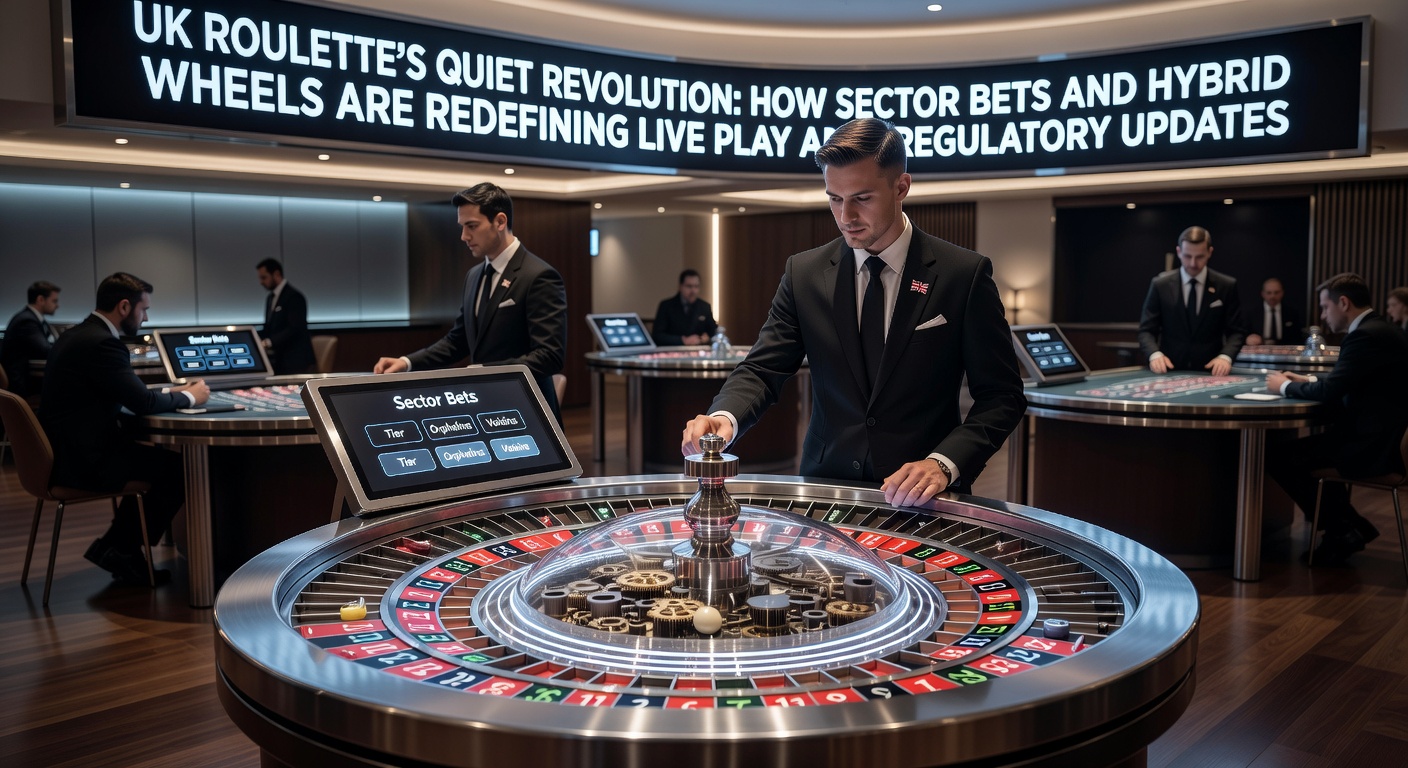
UK Roulette's Quiet Revolution: How Sector Bets and Hybrid Wheels Are Redefining Live Play Amid Regulatory Updates
UK roulette has undergone steady shifts in recent years as operators integrate sector-based wagering options alongside hybrid wheel designs that blend traditional mechanics with digital enhancements, all while adapting to evolving regulatory frameworks that took effect across multiple jurisdictions by June 2026.
Sector bets, which allow players to cover specific portions of the wheel such as voisins or orphelins, have moved from niche offerings to standard features in many live dealer environments, according to industry reports from the European Gaming and Betting Association. These bets appeal to participants seeking structured approaches to wheel coverage without relying solely on individual number selections, and data from operator analytics indicates increased session lengths when such options appear on the interface.
Hybrid Wheel Mechanics and Their Integration
Hybrid wheels combine physical rotor elements with electronic sensors that transmit real-time outcomes to both on-site and remote participants, creating a format that maintains the tactile experience of live play while supporting expanded betting patterns. Manufacturers introduced these models in several UK-licensed studios during 2025, and adoption rates climbed as platforms updated their software to accommodate the dual-format spins.
One study from the University of Nevada's gaming research division highlighted how hybrid configurations reduce mechanical variance compared to fully analog wheels, which in turn supports more consistent payout tracking for sector-based wagers. Casinos have reported that these wheels enable simultaneous handling of traditional French bets and modern multiplier side options without requiring separate tables.
Regulatory Landscape Shaping Live Roulette
By June 2026, updated standards from bodies such as the Malta Gaming Authority and the Australian Communications and Media Authority emphasized transparency in wheel calibration and bet display for live-streamed games, prompting UK operators to align their hybrid setups with cross-border compliance requirements. These rules focus on verifiable randomness and clear presentation of sector probabilities rather than restricting bet types outright.
Operators responded by embedding detailed probability breakdowns into player interfaces, allowing users to review payout ratios for voisin groupings or tier bets before confirming wagers. Figures from the International Association of Gaming Regulators show that platforms incorporating such disclosures experienced higher retention metrics in live roulette categories during the first half of 2026.

Player Behavior Patterns in Live Environments
Live play sessions incorporating sector bets demonstrate distinct engagement trends, with participants often combining multiple sector selections across consecutive spins rather than switching between inside and outside bets exclusively. Observers at major studios note that hybrid wheels facilitate quicker transitions between these wager groups because the digital overlay displays all available sectors in a single view.
Research published by the Canadian Centre for Gaming Research indicates that players in regulated markets show preference for wheels offering both physical and virtual result confirmation, particularly when sector coverage exceeds standard dozen bets. This preference aligns with platform updates that introduced simultaneous streaming of rotor angles and electronic outcome logs.
Technical Adaptations Across Studios
Studios have adjusted camera placements and lighting to highlight sector divisions on hybrid wheels, ensuring remote viewers can track ball trajectories as clearly as those at the physical table. Software providers integrated APIs that sync sector bet selections with the wheel's sensor data, reducing latency between wager placement and spin initiation to under three seconds in most tested environments.
Case examples from operators in continental Europe reveal that similar hybrid implementations led to a measurable uptick in live roulette table utilization during evening peak hours, a pattern now mirrored in UK venues following the 2026 regulatory clarifications on equipment standards.
Conclusion
The combination of sector betting accessibility and hybrid wheel functionality continues to reshape live roulette offerings as platforms respond to regulatory expectations set in place by mid-2026. Data from multiple oversight organizations confirms that these developments maintain focus on verifiable mechanics and clear bet structures without altering core game mathematics. Players encounter expanded options within established live formats, while operators refine delivery methods to meet compliance across regions.