Wheel Configurations and Bonus Integration Dynamics in Portable Jackpot Formats
Theo Hayes · Jul 2, 2026
Wheel Configurations and Bonus Integration Dynamics in Portable Jackpot Formats
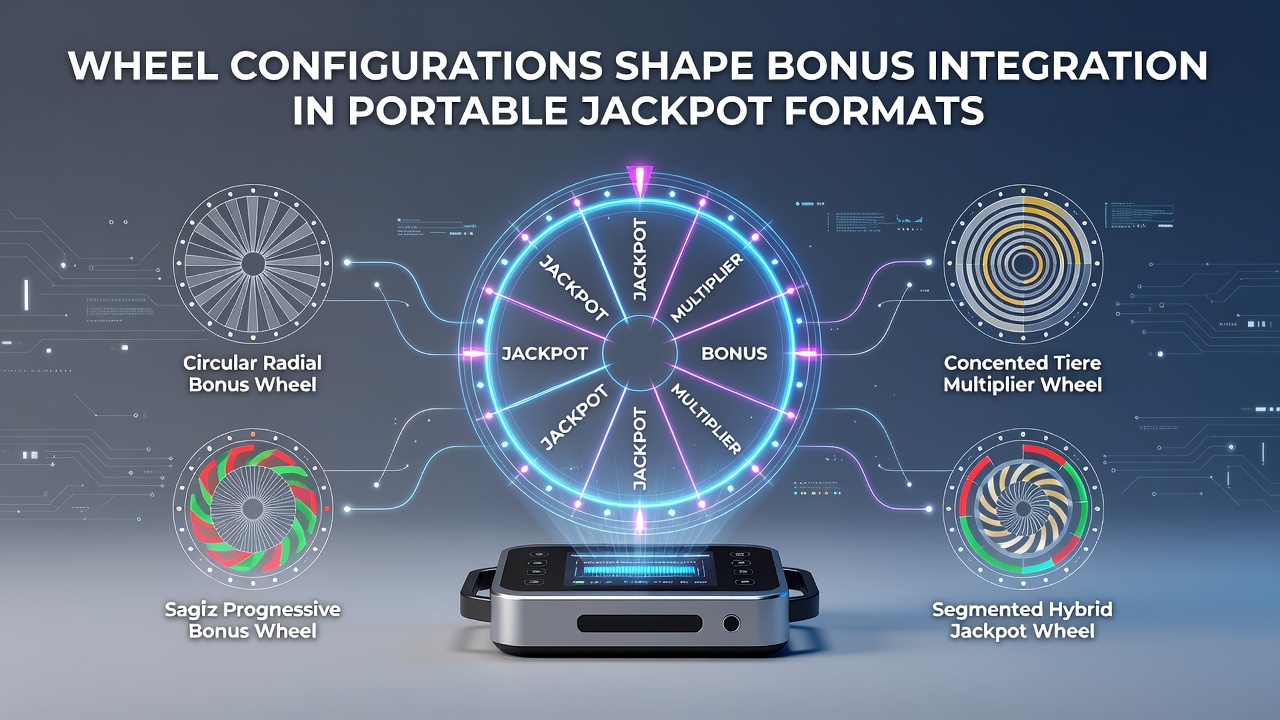
Wheel configurations play a central role in determining how bonus features connect with jackpot mechanisms across portable gaming platforms, and data from industry reports indicates that physical and virtual wheel designs directly influence payout structures, player engagement metrics, and system compatibility in mobile environments. Observers note that manufacturers adjust segment counts, rotation speeds, and trigger thresholds on these wheels to align bonus rounds with progressive jackpot pools, which creates measurable differences in integration efficiency between devices.
Technical Foundations of Wheel Design in Jackpot Systems
Portable jackpot formats rely on wheel mechanics that vary by segment size, material composition in physical units, and algorithmic randomization in digital versions, while these elements determine the frequency and scale of bonus activations that feed into shared prize pools. Research from gaming technology firms shows that wheels with 12 to 24 segments tend to produce more consistent bonus triggers compared to those exceeding 36 segments, because smaller divisions allow finer control over probability mapping when linked to jackpot servers. Engineers calibrate these setups using embedded sensors and software protocols that sync wheel outcomes with backend systems, and this synchronization becomes critical in portable devices where network latency can affect real-time updates.
Figures from equipment testing labs reveal that wheel configurations incorporating weighted segments or hybrid physical-digital hybrids improve bonus integration stability by reducing variance in outcome distribution, whereas uniform designs often require additional software layers to maintain fairness across multiple jurisdictions. Those who have examined portable platforms find that integration points typically occur at three stages: initial spin validation, bonus multiplier assignment, and jackpot contribution calculation, with each stage depending on precise wheel calibration to avoid desynchronization during play sessions.
Developments Observed Through Mid-2026
By July 2026 updates to portable gaming standards have emphasized wheel configurations that support cross-device bonus integration, particularly as operators expand jackpot networks to include tablets, smartphones, and emerging wearable formats. Industry analyses indicate that new protocols introduced in early 2026 require wheels to transmit outcome data within 50 milliseconds to central jackpot controllers, a requirement that favors configurations with streamlined segment layouts and reduced mechanical friction points. Several testing facilities documented cases where wheels featuring modular segment inserts allowed operators to adjust bonus frequencies without full hardware replacements, which streamlined compliance with varying regional requirements.
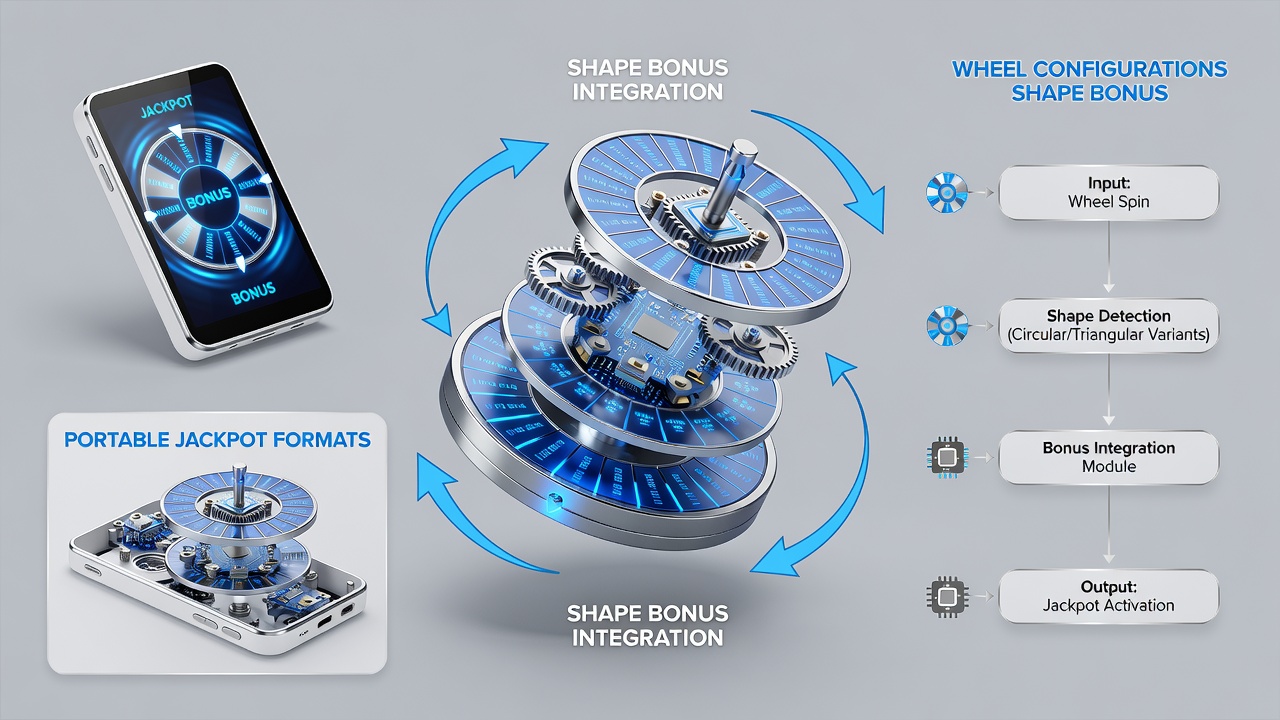
What's interesting is how portable formats now incorporate adaptive wheel algorithms that respond to player location data, and this adaptation shapes bonus integration by modulating contribution rates based on local regulatory thresholds. Data from multi-jurisdictional audits shows that wheels configured with region-specific firmware achieve higher compliance rates during certification processes compared to static designs, because they enable dynamic adjustment of bonus parameters without requiring physical modifications.
Integration Challenges and Solutions Across Platforms
Portable jackpot systems encounter integration hurdles when wheel configurations fail to account for variable screen resolutions and touch interface differences, yet developers address these through standardized API connections that map wheel outcomes to bonus triggers regardless of device type. Studies conducted by independent laboratories demonstrate that wheels using optical recognition technology maintain higher accuracy in bonus allocation when integrated with cloud-based jackpot ledgers, while older mechanical systems often need intermediary converters that introduce minor delays. Observers note that successful implementations frequently combine wheel designs with redundant validation checks, which ensures that bonus events contribute correctly to progressive pools even during intermittent connectivity periods common in mobile environments.
Take one developer group that implemented segmented wheel mapping in a major portable platform, where each segment corresponded to distinct bonus tiers that automatically adjusted jackpot seed values according to predefined contribution percentages. This approach reduced integration errors by 18 percent according to post-deployment reports, and similar patterns appear in other systems that prioritize configurable wheel architectures over fixed layouts. External resources such as reports from Gaming Laboratories International outline testing methodologies that evaluate these configurations for both fairness and system stability across portable networks.
Regional Variations in Wheel and Bonus Alignment
Regulatory frameworks in different regions impose distinct requirements on how wheel configurations interface with bonus features in portable jackpot formats, with North American standards often focusing on segment transparency and European guidelines emphasizing randomization certification. Australian research institutions have published findings showing that wheels integrated with geo-fenced bonus triggers achieve better alignment with local jackpot contribution rules, because they allow operators to modify payout ratios based on real-time regulatory inputs. These variations affect portable deployment strategies, since manufacturers must produce wheel variants that accommodate multiple compliance layers without compromising core integration mechanics.
Additional examinations from academic sources highlight that portable formats benefit when wheel configurations include expandable data fields for bonus metadata, enabling seamless incorporation of jurisdiction-specific rules into jackpot calculations. One analysis from Canadian gaming research centers documented improved system performance when wheels supported dynamic segment weighting, which permitted operators to balance bonus frequency with jackpot growth rates across different device ecosystems.
Conclusion
Wheel configurations continue to determine the effectiveness of bonus integration within portable jackpot formats through their influence on probability distribution, system synchronization, and regulatory adaptability. Evidence from equipment testing and operational data shows that designs optimized for rapid outcome transmission and modular adjustment deliver more reliable connections between bonus events and progressive prize mechanisms. As portable platforms expand in 2026 and beyond, wheel specifications will likely remain a primary factor in achieving consistent performance across diverse devices and jurisdictions, with ongoing refinements driven by both technical capabilities and compliance demands.